 HRTD Medical Institute HRTD Medical Institute

Organic Anatomy of the Male Reproductive System


View all
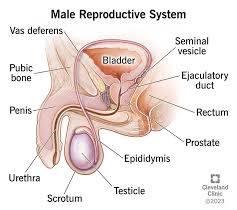
The male reproductive system’s organic anatomy includes external organs (penis, scrotum) and internal organs (testes, epididymis, vas deferens, seminal vesicles, prostate, bulbourethral glands) that produce, mature, and transport sperm, along with fluids, to form semen for ejaculation, all regulated by hormones like testosterone. Key structures involve the sperm-producing testes, the coiled epididymis for maturation, ducts (vas deferens, ejaculatory ducts) for transport, and accessory glands (seminal vesicles, prostate, bulbourethral) that add nourishing, lubricating fluids, all while the scrotum maintains optimal temperature.
External Organs
- Penis: Delivers sperm and urine out of the body.
- Scrotum: A pouch of skin that holds the testes, regulating their temperature for sperm production.
Internal Organs (Accessory Glands & Ducts)
- Testes (Testicles): Produce sperm (spermatogenesis) and testosterone.
- Epididymis: A coiled tube where sperm mature and become motile.
- Vas Deferens (Ductus Deferens): Transports mature sperm from the epididymis.
- Ejaculatory Ducts: Form where the vas deferens joins the seminal vesicle ducts, passing through the prostate.
- Urethra: Carries both semen and urine out of the body.
Accessory Glands (Produce Seminal Fluid)
- Seminal Vesicles: Secrete fructose-rich fluid, making up most of the ejaculate volume.
- Prostate Gland: Adds nourishing fluid to semen.
- Bulbourethral Glands (Cowper’s Glands): Produce a clear, lubricating fluid that neutralizes urethral acidity.
Pathway of Sperm & Semen
Sperm mature in the epididymis, travel up the vas deferens, mix with fluids from the seminal vesicles, prostate, and bulbourethral glands to form semen, and then move through the ejaculatory ducts and urethra for ejaculation.

