 HRTD Medical Institute HRTD Medical Institute

Animal Farm Engineering
“Animal Farm Engineering” refers to the specialized field of Agricultural Engineering (or Livestock Production Engineering) that applies engineering, technology, and biological sciences to improve the efficiency, sustainability, and productivity of livestock farming.
This field is a subset of agricultural engineering, often called livestock production engineering or bio-environmental engineering, which focuses on the following areas:
Core Areas of Animal Farm Engineering
- Livestock Housing & Structures: Designing, locating, and planning buildings to ensure animal comfort, health, and productivity (e.g., barns, stalls, ventilation systems).
- Environmental Control & Automation: Implementing technologies like AI, IoT sensors, and computer-controlled systems for regulating temperature, airflow, and monitoring animal health in real time.
- Waste Management: Developing systems to handle and dispose of animal waste effectively, including turning waste into biogas.
- Precision Livestock Farming (PLF): Utilizing data-driven approaches and automated systems to monitor individual animal health and needs.
- Material & Feed Handling: Designing equipment to manage feed, water, and waste, such as conveyors, silos, and automatic feeders.
- Animal Welfare Technology: Incorporating animal behavior and physiological needs into the design of housing and handling systems (e.g., using “Animal Capacities in Design” or ACiD).
Objectives
- Maximize Productivity: Increasing the efficiency of meat, milk, and egg production.
- Improve Sustainability: Reducing the environmental footprint of large-scale animal farming (e.g., odor control, manure management).
- Enhance Welfare: Creating environments that reduce stress and improve the lives of the animals.
Specialization in Animal Farm Engineering
Specialization in Animal Farm Engineering—often classified under Agricultural, Biological, or BioResource Engineering—focuses on applying engineering principles to improve the efficiency, sustainability, and productivity of livestock production. These engineers design and optimize the infrastructure, machinery, and environmental systems necessary to keep animals healthy and productive.
Key areas of specialization within Animal Farm Engineering include:
1. Farm Structures and Environmental Control Engineering
This specialization involves designing and maintaining the physical environment for livestock.
- Animal Housing Design: Designing barns, stalls, and shelters for swine, dairy, poultry, and aquaculture.
- Environmental Control Systems: Developing systems to manage temperature, humidity, lighting, and air quality (ventilation) within buildings to ensure animal comfort and health.
- Waste Management and Recycling: Designing systems for managing manure, including waste treatment, handling, and conversion into fuel or fertilizer.
2. Machinery and Equipment Design
This area focuses on mechanizing farm tasks to reduce labor and increase precision.
- Material Handling Systems: Designing automated systems for feeding, watering, and milking.
- Precision Livestock Farming (PLF): Utilizing sensors, cameras, and AI-based monitoring systems to track animal health, behavior, and production in real-time.
- Machinery Maintenance: Developing and improving equipment for cleaning, housing, and transporting livestock.
3. Food and Process Engineering (Animal Products)
This specialization focuses on the post-production handling and processing of animal products.
- Processing Facilities: Designing plants for milk pasteurization, meat processing, or egg sorting.
- Value Addition & Storage: Developing technologies for cooling, drying, and preserving animal-derived products to extend shelf life.
4. Environmental Quality and Sustainability
- Pollution Control: Engineering solutions to prevent contamination of air, soil, and water from livestock operations.
- Biosecurity Infrastructure: Designing facilities that reduce the risk of pathogen introduction, such as specialized entryways and waste disposal areas.
Emerging Specializations
- Livestock Systems Modeling: Using mathematical models to simulate and improve animal production systems, particularly in varied climates.
- Renewable Energy Generation: Utilizing animal waste to produce bioenergy (e.g., biogas production).
These specializations are designed to address the challenges of high-density, commercial-scale, and sustainable agriculture.
Livestock Housing & Structure
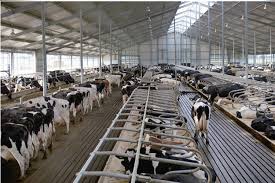
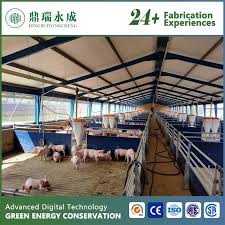
Livestock housing and farm structures are critical components of animal husbandry, designed to provide a controlled environment that ensures animal health, welfare, and maximum productivity for 2026. Effective structures protect animals from extreme weather (heat, rain, and wind) and predators while facilitating efficient management tasks such as feeding, milking, and waste disposal.

Core Requirements for Livestock Housing
- Space: Adequate floor area is vital to prevent stress and injury. For example, adult cows typically require 3.5 to 7.0
𝑚2 of space, while buffaloes require slightly more.
- Ventilation: Continuous fresh air exchange is necessary to remove moisture, heat, and harmful gases like ammonia and carbon dioxide.
- Lighting: Natural or artificial light is required to regulate animals’ circadian rhythms, which directly impacts growth and reproductive efficiency.
- Hygiene and Drainage: Floors should be durable, non-slip, and sloped (typically 1:40 to 1:60) toward gutters for efficient waste and urine removal.
Common Housing Systems
- Loose Housing: Animals are kept in open paddocks with a covered shelter on one side for retirement during harsh weather.
- Conventional Barns (Stanchion Barns): Animals are confined to individual stalls or tied with chains. This system allows for individual attention but is more labor-intensive.
- Free-Stall (Cubicles): Commonly used for dairy cows, this system provides individual resting cubicles while allowing animals to move freely to feeding and milking areas.
Specialized Farm Structures
- Milking Parlors: Hygienic facilities designed specifically for milking cows, ranging from simple bucket systems to high-tech rotary or herringbone parlors.
- Calving/Maternity Pens: Isolated, clean areas where pregnant animals are moved for birthing and initial bonding with newborns.
- Storage Facilities: Essential for farm operations, including silos and bunkers for silage and rodent-proof sheds for dry fodder and grain.
- Waste Management: Includes manure pits, collection gutters, and increasingly, biogas plants for converting waste into energy.
Site Selection Factors
Proper site selection is the foundation of a successful facility. Key considerations for 2026 include:
- Topography: Elevated, level ground that ensures natural drainage and prevents waterlogging.
- Orientation: Aligning the long axis East-to-West is recommended in many regions to minimize solar heat gain in summer while maximizing winter sunlight.
- Proximity: Facilities should be close to clean water and reliable electricity, but far enough from residential areas to manage odors and noise.
Environmental Control and Automation in Animal Farm
Environmental control and automation in animal farming (often termed Smart Poultry & Livestock Management) involve using IoT-based sensors, AI, and automated machinery to regulate the environment (temperature, humidity, air quality) and manage operations (feeding, cleaning, health monitoring) within farms
. These systems,, such as mechanical ventilation, automatic feeders, and wearable sensors, replace manual labor to enhance animal welfare, increase productivity, and reduce operational costs.
Key Components and Technologies
- Environmental Monitoring & Control: Sensors constantly track temperature, relative humidity, and gases like
𝑁𝐻3 (ammonia) and
𝐶𝑂2. Automated systems, such as fans, heaters, and foggers, adjust these conditions in real time to prevent heat or cold stress.
- Automated Feeding & Watering: Systems deliver precise, consistent nutrition, reducing waste and improving growth rates (up to 15% improvement in feed-to-weight ratio).
- Health and Behavior Monitoring: Wearable sensors, 3D cameras, and microphones track animal movement, vital signs, and eating habits to detect early signs of disease.
- Waste Management & Cleaning: Automated, programmable robots use high-pressure water jets and cleaning fluids to clean barn floors and corridors, reducing manual labor and improving sanitation.
- Remote Management: Cloud-connected dashboards allow farmers to monitor and control operations via smartphones or computers.
Advantages and Impacts
- Improved Animal Welfare & Health: By maintaining optimal, stable conditions, automation reduces stress and disease, leading to a 20–30% reduction in mortality rates.
- Increased Efficiency & Profitability: Automated systems optimize feed and resource consumption (water/energy), resulting in higher yields (e.g., 5–15% lift in milk yield) and lower operating costs.
- Reduced Environmental Footprint: Precision systems cut energy, water, and feed waste.
- Labor Reduction: Automated solutions (e.g., robotic milking, cleaning) free up workers from repetitive tasks, helping to manage labor shortages.
Challenges and Considerations
- High Initial Investment: The high cost of purchasing and installing automated systems can be a barrier for smaller farms.
- Technical Expertise & Maintenance: Operating and maintaining advanced technology requires specialized skills and regular maintenance.
- Dependence on Technology: System failures can cause significant losses in productivity.
- Inconsistent Data & Connectivity: In some cases, rural areas may have poor connectivity, impacting the effectiveness of IoT devices.
Future Outlook
The industry is moving toward “Precision Livestock Farming” (PLF), where individual animal monitoring combined with AI-driven analytics allows for highly customized care. Integrating these technologies with renewable energy sources for powering the equipment is a key focus for future sustainability.
Waste Management
In George Orwell’s Animal Farm, the animals initially struggle with waste management, seeing manure as a problem, but quickly learn to repurpose it as fertilizer, making it central to their farm’s success, though later pigs misuse resources, highlighting corruption over sustainable practices. Effective animal waste management, applicable to the farm’s manure, involves turning it into valuable fertilizer through composting, using it for biogas, or managing storage for nutrient-rich application, preventing water pollution, and generating energy, transforming waste into a resource for better crop yields, contrasting the pigs’ selfish exploitation.
Animal Farm’s Waste Management (Fictional)
- Initial View: Manure (dung) was seen as a nuisance, something to be dealt with, not utilized.
- Revolutionary Solution: Snowball, inspired by humans, proposed using it as fertilizer, a core part of the farm’s self-sufficiency.
- Implementation: The animals spread manure on fields, significantly boosting crop growth, making the farm prosperous.
- Pigs’ Exploitation: Later, the pigs hoard resources, including manure, and misuse the farm’s bounty, showing how initially beneficial systems decay under tyranny.
Real-World Waste Management (Applicable to Farms)
Recycling: Converting waste into new products (e.g., fertilizer, feed, fuel).
Composting: Decomposing manure with microbes to create rich organic fertilizer.
Biogas Production: Anaerobic digestion of manure to create methane gas for energy.
Nutrient Management: Applying manure strategically to match crop needs, preventing nutrient runoff into water sources.
Storage: Proper storage (pits, tanks) prevents pollution and odor, allowing application when needed.
Recycling of Animal Waste Products
Recycling animal waste products turns manure and by-products into valuable resources like fertilizers (compost, liquid feed), bioenergy (biogas, biofuel), and even animal feed, reducing pollution and waste, and creating a circular system for farming. Key methods include anaerobic digestion for biogas, composting for soil amendment, rendering fats and proteins for feed/products, and direct land application, all while managing pathogens and contaminants through processes like heating or sterilization.
Key Recycling Methods & Products:
- Fertilizers & Soil Amendments:
- Composting: Turning solid waste into nutrient-rich compost for soil.
- Liquid Application: Treating liquid manure for direct use as fertilizer.
- Vermiculture: Using worms to break down waste into valuable castings.
- Energy Production:
- Anaerobic Digestion: Fermenting waste to produce biogas for heat/electricity, with CO2 potentially used for plant growth.
- Fuel: Drying solid waste for use as fuel.
- Animal Feed:
- Processed Feed: Drying and processing manure/litter for protein and minerals in cattle diets (requires strict state/federal standards).
- Rendering: High-heat processing of by-products (blood, bone, fat) into protein meals for feed.
- Industrial Products:
- Rendering: Fats and proteins are used in soaps, paints, candles, and plastics.
Processes & Technologies:
- Solid/Liquid Separation: Separating solids for composting/drying from liquids for fertilization.
- Sterilization: High heat treatments (like in rendering or specific systems like Selat Ron’s AGRI ISS) destroy pathogens in by-products, making them safe for reuse.
- Incineration: Burning high-risk waste (Category 1).
Benefits:
- Environmental: Reduces soil/water contamination, lowers greenhouse gases, decreases landfill burden.
- Economic: Creates new revenue streams (energy, fertilizer, feed) and reduces reliance on synthetic inputs.
Management & Regulation:
- Regulations (like EU and FDA guidelines) focus on preventing pathogen spread, categorizing waste (e.g., Cat 1, 2, 3), and ensuring safety for feed/fertilizer use.
Recycling cat waste is challenging due to pathogens like Toxoplasma
Recycling cat waste is challenging due to pathogens like Toxoplasma, so general advice is to bag and bin it, but some eco-friendly options exist for biodegradable litters (corn, wood, paper): composting away from edibles using hot composting, using it as garden mulch, or through industrial facilities, while clay litters are generally landfill-bound, and packaging recycling depends on local rules.
For Cat Waste & Litter (The challenging part)
- Bin it: Most municipalities recommend bagging used litter (especially with feces) and putting it in regular trash for landfill, as cat waste carries risks for humans, notes Bristol Waste Company and Coquitlam, BC.
- Compost with caution:
- Only use biodegradable litter (paper, wood, corn, wheat), never clay.
- Separate feces: Scoop solids and compost only the urine-soaked litter or bury feces in a sealed container away from edibles.
- Hot Composting: Use a tumbler or dedicated system with lots of browns (leaves, garden waste) to break down waste effectively over a year or more, creating compost for flowers/trees, say YouTube and www.catsbest.eu.
- Avoid edibles: Keep compost away from vegetable gardens due to toxoplasmosis risks, advises AllPetSolutions and PetSafe.
- Industrial Composting: Some facilities accept pet waste, ensuring safe processing, according to PetSafe.
- Never flush: Even “flushable” litters clog pipes, and feces shouldn’t go down the toilet, note Coquitlam, BC.
For Litter Packaging & Cans
- Check locally: Recycling rules vary; check your council’s website for flexible plastics and cardboard.
- Clean & Separate: Rinse food cans (often aluminum) and recycle them with other metals.
- Monoplastics: Some brands use single-material (PE or PP) bags designed for easier recycling, says Edgard & Cooper.
Animal Welfare Technology
Animal Welfare Technology uses digital tools like sensors, AI, computer vision, and wearables to monitor and improve animal health, behavior, and conditions in real-time, enabling early detection of distress, optimizing environments, and personalizing care for livestock, pets, and wildlife, ultimately leading to better quality of life and more sustainable practices. Key applications include automated monitoring (cameras, drones), vital sign tracking (wearables), data analysis for behavior, and precision management in farming.
Key Technologies & Applications:
- Sensors & Wearables: Smart ear tags, leg bands, or rumen sensors track movement, feeding, temperature, and vital signs, detecting illness or fertility changes.
- Artificial Intelligence (AI) & Computer Vision: Analyzes video footage to spot lameness in cattle, monitor poultry behavior, detect vocalizations, and identify stress or aggression in zoos and slaughterhouses.
- Drones & UAVs: Used for counting, herding, and monitoring large, free-ranging animal populations or distant livestock.
- Genomics & Data Analysis: Improves breeding for disease resistance and builds comprehensive health profiles.
- Robotics: Autonomous robots (like RoboChick) monitor environmental conditions and health parameters in barns.
- Telemedicine & Software: Platforms like the Animal Welfare Assessment Grid (AWAG) use big data to provide objective, longitudinal welfare scores, guiding management decisions.
Benefits:
- Early Detection: Identifies subtle signs of disease, stress, or injury before they become severe.
- Precision Management: Optimizes feeding, climate, and husbandry for individual animals.
- Proactive Care: Moves from reactive treatment to preventative welfare strategies, reducing antibiotic use.
- Ethical Oversight: Enhances transparency in slaughterhouses and captivity, improving compliance.
Examples in Practice:
- Livestock: Smart tags alert farmers to lameness or calving; AI monitors poultry for welfare issues.
- Zoos: AI tracks enclosure use and behavior to ensure enrichment meets needs.
- Rehabilitation: 3D-printed prosthetics help disabled animals regain mobility.

