 HRTD Medical Institute HRTD Medical Institute

Veterinary Pharmacy Course & Drug License Processing
Veterinary Pharmacy Course. Mobile Phone Number 01797522136, 01987073965. Veterinary Pharmacy Course 1 Year contains 10 subjects. After completing this course and passing the government examination student will be eligible to get a drug license able to conduct a pharmacy business of veterinary medicine, animal medicine, poultry medicine, etc. The drug license of the medicine business is authorized by the Director General of Drug Administration (DGDA) in Bangladesh.
Veterinary Pharmacy Course and Drug License Processing are available in HRTD Medical Institute. This Institute is an Organization of HRTD Limited ( Registered by the Government of the People’s Republic of Bangladesh).
Other Veterinary Courses are LMA Vet 6 Month, LMA Vet 1 Year, DMA Vet 1 Year, DMA Vet 2 Years, DMA Vet 3 Years, DMA Vet 4 Years, DMS Vet 1 Year, DMS Vet 2 Years, DMS Vet 3 Years, DMS Vet 4 Years, Para Vet 1 Year, Para Vet 2 Years, Para Vet 3 Years, Para Vet 4 Years, DMDS Vet 4 Years, Veterinary Pharmacy Course 6 Months, Veterinary Pharmacy Course 1 Year, Veterinary Pharmacy Course 2 Years, Veterinary Pharmacy Course 3 Years, and Veterinary Pharmacy Course 4 Years.
Location of Veterinary Pharmacy Course 1 Year
Location/Address: HRTD Medical Institute, Abdul Ali Madbor Mansion, Section 6, Block- Kha, Road-1, Plot-11, Metro Rail Piller No. 249, Mirpur-10 Golchattar, Dhaka-1216.
Teachers for Veterinary Pharmacy Courses
Dr. Kazi Fatema, DVM, MS
Dr. Sharmin Sultana, DVM, MS
Dr. Apel Mahamud, DVM
Dr. Repon, DVM, MS
Dr. Moniruzzaman, DVM, MS
Md. Alauddin Hazari, B Pharm, M Pharm ( Registered A Grade Pharmacist, Pharmacy Council of Bangladesh)
Kaniz Fatema, B Pharm ( Registered A Grade Pharmacist, Pharmacy Council of Bangladesh)
Eti Zahan, BSc Nurse ( Registered BSc Nurse, Nursing Council of Bangladesh)
Veterinary Pharmacy Course Fee
Admission Fee Tk 12500/-, Monthly Fee Tk 4000, Exam Fee Tk 2000/-, Total Course Fee Tk 62500/-.
Subjects for Veterinary Pharmacy Course
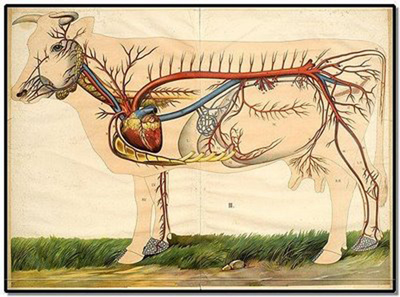
Animal Anatomy and Physiology
Poultry Anatomy and Physiology
Veterinary Pharmacology
Veterinary Microbiology
Veterinary Hematology and Pathology
Veterinary First Aid and OTC Drugs
Study of Veterinary OTC Drugs
Pharmacy Technician Guidelines
Animal Farm Engineering and Management
Poultry Farm Engineering and Management
Animal and Poultry Vaccination
Animal Diseases and Treatment
Poultry Diseases and Treatment
Animal Anatomy and Physiology
Animal anatomy is structured around specialized systems: the digestive system breaks down food for nutrients using the mouth, stomach, and intestines; the respiratory system, including lungs or gills, exchanges gases (oxygen intake, 𝐶𝑂2 removal; and the skeletal system, composed of axial and appendicular components, provides support and structure.
Digestive System (Nutrient Acquisition)
- Function: Ingests food, breaks it down into nutrients, absorbs them, and eliminates waste.
- Structure: Begins with the mouth (teeth/saliva), passes through the esophagus, into the stomach (acidic breakdown), followed by the small intestine (nutrient absorption), and large intestine (water absorption/waste).
- Types:
- Monogastric: Single-chambered stomach (e.g., swine).
- Ruminant: Multi-chambered stomach for fermenting roughage (e.g., cows).
- Avian: Features a gizzard to crush food.
- Pseudo-ruminant: Similar to ruminants but with a simpler stomach.
Respiratory System (Gas Exchange)
- Function: Provides oxygen (
𝑂2) needed for cellular energy and removes waste carbon dioxide (
𝐶𝑂2).
- Structure: In land vertebrates, this involves the lungs; in aquatic animals, gills are used to filter oxygen from water.
- Mechanism: Air or water passes over specialized surfaces where gas exchange occurs, facilitating diffusion.
Skeletal System (Support & Structure)
- Function: Provides structural support, protects organs, allows movement, and stores minerals.
- Components:
- Axial Skeleton: Skull, vertebral column (e.g., 7 cervical, 13 thoracic in cows), and ribs.
- Appendicular Skeleton: Shoulder, limbs, and pelvic girdle.
- Example (Bovine): Features 18-20 coccygeal vertebrae, with distinct radius/ulna structures in the lower forelimb.
Animal anatomy is organized into specialized systems, including the cardiovascular, urinary, endocrine, and reproductive systems, which collectively maintain homeostasis, transport nutrients, regulate metabolism, and ensure species survival. These systems consist of interconnected organs and tissues that perform complex physiological functions such as blood circulation, waste filtration, hormone signaling, and reproduction.
Cardiovascular System
- Components: Heart, blood vessels (arteries, veins, capillaries).
- Function: Functions as a transport system, moving oxygen, nutrients, hormones, and waste products throughout the body. The muscular heart acts as a pump, sending blood through arteries to tissues, while veins return it.
- Circuits: Includes the pulmonary circuit (to lungs) and systemic circuit (to body).
Urinary System
- Components: Kidneys, ureters, bladder, urethra.
- Function: Filters waste products from the blood, regulates blood volume and pressure, controls electrolyte levels, and manages blood pH.
- Key Process: Kidneys produce urine, which passes through the ureters to the bladder for storage before excretion.
Endocrine System
- Components: Glands (e.g., thyroid, thymus, pituitary) and hormone-secreting tissues.
- Function: Regulates body functions such as metabolism, growth, and reproduction through chemical messengers (hormones).
- Integration: Closely linked with the nervous system to control physiological processes.
Reproductive System
- Components: Female (ovaries, oviducts, uterus, vagina) and male (testes, accessory glands, penis) structures.
- Function: Responsible for producing offspring to ensure the continuation of the species.
- Interaction: Testes and ovaries also act as endocrine glands.
Animal anatomy consists of specialized, interconnected systems: the Urinary System (kidneys, bladder) removes blood waste; the Muscular System (skeletal, cardiac, smooth) enables movement and contraction; the Nervous System (brain, spinal cord, nerves) processes sensory information and controls actions; and the Immune System (lymphatic system) protects the body from pathogens.
Urinary System (Excretory System)
- Components: Kidneys, ureters, bladder, and urethra.
- Function: Filters waste products from the blood, regulates water balance, and excretes urine.
- Key Anatomy: Kidneys, typically lying against the backbone, produce urine, which passes to the bladder for temporary storage before expulsion.
Muscular System
- Components: Skeletal muscle, smooth muscle, and cardiac muscle.
- Function: Allows for both internal and external movement, including locomotion and maintaining posture.
- Key Anatomy:
- Skeletal muscles: Attached to bones for voluntary movement.
- Cardiac muscle: Striated muscle forming the heart.
- Smooth muscle: Found in organs, controlling involuntary actions.
Nervous System
- Components: Central Nervous System (CNS) and Peripheral Nervous System (PNS).
- Function: Processes sensory information, controls muscles, and coordinates organ functions.
- Key Anatomy:
- CNS: The brain and spinal cord, which process information.
- PNS: Nerves that branch off from the spinal cord to the rest of the body.
- Autonomic system: Regulates involuntary activities like heartbeat.
Immune System
- Components: Lymphatic system, spleen, bone marrow, and immune cells.
- Function: Defends the body against diseases, pathogens, and foreign substances.
- Key Anatomy: Lymph nodes, spleen, and lymphocytes that circulate throughout the body via blood and lymph vessels.
Pharmacy Technician Guidelines
Pharmacy technicians must prioritize patient safety through high accuracy in medication preparation, mandatory pharmacist oversight for all actions, and adherence to state regulations or professional standards like those from the Pharmacy Council of Bangladesh. Core duties include filling prescriptions, inventory management, and operating, while avoiding unauthorized counseling or clinical advice.
Key Guidelines and Responsibilities
- Supervision: All filled prescriptions must be checked and signed off by a pharmacist; technicians cannot provide final verification.
- Accuracy & Safety: Maintain extreme attention to detail to avoid medication errors.
- Scope of Practice: Do not recommend medications, provide clinical counseling, or make medication decisions.
- Confidentiality: Strictly adhere to privacy laws regarding patient information.
- Patient Interaction: Provide professional service, take patient histories, and handle, but not interpret, prescription questions.
Operational Duties
- Preparation: Count, package, and label medications accurately.
- Inventory: Maintain stock levels, order supplies, and remove expired medications.
- Administration: Assist with pharmacy software and technology.
Education, Training, Certification
- Education: Minimum SSC Pass. Training from the Registered Training Institute.
- Certification: Certification from the Pharmacy Council of Bangladesh.
Professional Standards
- Behavior: Act with professionalism and integrity, and follow all legal requirements.
- Communication: Communicate effectively with patients, colleagues, and healthcare professionals.
- Development: Actively maintain and update professional knowledge.
Veterinary Pharmacology and Toxicology
Veterinary pharmacology is the study of drugs, their properties, and interactions with animal biological systems to treat, prevent, or diagnose diseases. It encompasses pharmacokinetics (absorption, distribution, metabolism, excretion – ADME) and pharmacodynamics (drug effects) across diverse species. Key areas include antimicrobial resistance, toxicology, and regulatory compliance to ensure safety.
Key Aspects of Veterinary Pharmacology
- Core Disciplines:
- Pharmacokinetics (PK): Analyzes how an animal’s body affects a drug through absorption, distribution, metabolism, and excretion.
- Pharmacodynamics (PD): Examines the mechanisms of action and the effects a drug has on the body.
- Toxicology: Studies the adverse effects of agents (chemicals, plants, drugs) on animals.
- Clinical Pharmacology: Focuses on the application of drugs in clinical settings, including dosing, species-specific reactions, and therapeutic monitoring.
- Key Areas of Focus:
- Species Differences: Unlike human medicine, veterinary pharmacology must account for significant physiological variations between species, such as ruminants, carnivores, and avians, which affect drug metabolism.
- Antimicrobial Resistance: A critical area focusing on the responsible, prudent use of antibiotics to prevent resistance in both animals and humans.
- Regulatory Pharmacology: Deals with the approval, safety, and efficacy of drugs, including managing withdrawal times for food-producing animals.
- Compounding: The customization of medications when approved, commercial products are not suitable.
- Common Drug Classifications:
- Anti-infectives: Antibiotics, antifungals, antivirals.
- Antiparasitics: Agents to treat internal and external parasites.
- Anesthetics/Analgesics: For pain management and surgery.
- Cardiovascular and Respiratory Drugs.
Veterinary Toxicology
Veterinary toxicology is a specialized branch of veterinary medicine that focuses on identifying, treating, and preventing poisonings in all animal species, from companion pets to livestock and wildlife. It addresses the effects of harmful substances (toxicants) such as chemicals, drugs, plants, and environmental contaminants on animal health and, by extension, human food safety and public health.
Core Areas of the Field
- Clinical Toxicology: Diagnosing and treating acute poisonings in individual animals or herds. Common culprits include household products (e.g., antifreeze), human medications, and toxic plants.
- Regulatory Toxicology: Monitoring chemical residues in food-producing animals to ensure human food safety and evaluating the safety of new veterinary drugs and feed additives.
- Diagnostic Toxicology: Using laboratory analysis (blood tests, necropsy) to identify toxic substances and determine whether a poison caused an animal’s illness or death.
- Environmental Toxicology: Studying how contaminants like pesticides or heavy metals (e.g., mercury or lead) in the environment affect animal populations and ecosystems.
Common Toxicants and Their Effects
| Category | Examples | Typical Effects/Signs |
|---|---|---|
| Household Items | Antifreeze (Ethylene Glycol), Cocoa mulch | Kidney failure (calcium oxalate crystals), vomiting |
| Foods | Grapes, raisins, macadamia nuts | Kidney failure in dogs, neurological signs |
| Metals | Lead (paint, batteries), Zinc (pennies) | Neurological distress, anemia, gastrointestinal issues |
| Pesticides | Organophosphates, Rodenticides | Tremors, seizures, respiratory paralysis, bleeding |
| Biotoxins | Mycotoxins (molds), Algal toxins (blue-green algae) | Liver failure (Aflatoxins), neurological syndromes (Fumonisins) |
Veterinary First Aid
Veterinary first aid involves keeping yourself safe, assessing the animal’s airway, breathing, and circulation (ABCs), controlling bleeding, and immediately seeking professional care. Key actions include muzzle application for safety, performing CPR (100–120 compressions/min) if needed, and managing shock. Prepare a kit with bandages, antiseptics, and tweezers.
Key Veterinary First Aid Techniques
- Safety First: Injured animals may bite, even beloved pets. Approach with caution and apply a muzzle if necessary.
- Bleeding Control: Apply direct pressure with a clean cloth, towel, or gauze. If a limb is bleeding, hold it above the heart.
- CPR (If Not Breathing): Perform 100–120 chest compressions per minute. Use a 30:2 ratio of compressions to breaths for a single rescuer.
- Wound Care: Rinse minor cuts with clean, warm water. Use gauze and sterile saline for cleaning.
- Heatstroke: Move to a shaded, cool area. Apply cool, wet cloths to the head, neck, and chest.
- Fractures/Shock: Keep the animal warm with a blanket, and avoid moving them unless necessary.
Essential Pet First Aid Kit Items
- Bandaging: Gauze pads, roll bandages, and self-adhesive tape (like VetWrap).
- Cleaning: Antiseptic wipes, saline solution, and hydrogen peroxide.
- Tools: Blunt-ended scissors, tweezers, and a thermometer.
- Safety: A muzzle.
When to Seek Immediate Emergency Care
- Severe bleeding that does not stop after 5 minutes of pressure.
- Difficulty breathing or choking.
- Loss of consciousness or seizures.
- Suspected broken bones or deep, large wounds.
- Signs of heatstroke (heavy panting, bright red gums).
Animal Vaccination

Animal vaccination is a crucial veterinary practice that induces immunity in pets and livestock, protecting them from infectious, often fatal diseases and preventing the spread of zoonotic illnesses to humans. Highly cost-effective vaccines work by stimulating an animal’s immune system to recognize and fight pathogens. Essential vaccines for pets include rabies, distemper, and parvo, while livestock require protection against diseases like foot-and-mouth.
Key Aspects of Animal Vaccination
- Importance: Vaccines prevent disease, reduce the need for costly treatment, and protect public health by reducing zoonotic disease transmission (e.g., rabies).
- Types of Vaccines: These include live-attenuated (weakened), killed (inactivated), and next-generation vaccines, which are categorized as either “core” (essential for all) or “non-core/lifestyle” (based on risk).
- Administration: Vaccines are typically administered via subcutaneous or intramuscular injection, though some are intranasal.
- Schedule: Young animals (puppies/kittens) require a series of shots, usually 3 to 4 weeks apart, with the final one around 4 months of age, followed by boosters.
- Side Effects: While generally safe, side effects can include temporary fever, sluggishness, reduced appetite, or, rarely, sarcomas in cats.
- Herd Immunity: High vaccination rates in livestock herds and pet populations reduce the overall disease burden.
Poultry Vaccination
A poultry vaccine protects birds from viral/bacterial diseases like Newcastle Disease (ND), Infectious Bronchitis (IB), Gumboro, Avian Influenza, and Fowl Pox by stimulating immunity, using live/inactivated/recombinant types, and administered via drinking water, spray, or injection according to a tailored schedule. Key types include live attenuated (e.g., ND, IBD) and inactivated vaccines (often for breeders), crucial for managing flock health and preventing mass mortality, notes Incepta Vaccine, Ceva Poultry, Wixbio, The Poultry Site, and Slideshare.
Common Poultry Vaccines
- Newcastle Disease (ND): Prevents this highly contagious and dangerous viral infection.
- Infectious Bronchitis (IB): Protects the respiratory system.
- Infectious Bursal Disease (IBD/Gumboro): Shields young birds from immune system damage.
- Avian Influenza (AI): Reduces risk from this contagious virus.
- Fowl Pox: Prevents pox, often spread by mosquitoes, via wing-stab.
- Marek’s Disease: Protects against this viral cancer, often given at day-1.
Administration Methods
- Drinking Water: Common for live vaccines (ND, IBD).
- Spray: Effective for respiratory viruses (ND, IB) for large groups, even day-olds.
- Eye/Nasal Drop: Direct instillation for some live vaccines.
- Injection: Used for inactivated vaccines, often for layers/breeders, or subcutaneous/in-ovo for vector vaccines (Marek’s, IBD).
Key Considerations
- Vaccination Schedule: Varies by bird type (broiler, layer, breeder) and disease risk, tailored by age.
- Health Status: Birds must be healthy, fed, and unstressed during vaccination.
- Biosecurity: Essential for preventing disease spread, even after vaccination.
- Storage & Handling: Vaccines (often freeze-dried) need proper storage (e.g., with ice) and must be used quickly after reconstitution.
Veterinary Microbiology
Veterinary microbiology is the study of microbes (bacteria, fungi, viruses, etc.) that cause infectious diseases in animals, focusing on domestic and wild species for food, products, or companionship, and plays a crucial role in diagnosis, treatment, and combating antimicrobial resistance through clinical labs and research into host-pathogen interactions and molecular diagnostics. It covers everything from basic microbial structures to complex diseases, aiming to understand disease mechanisms at the cellular and molecular levels to improve animal health and public health
Key Areas of Focus
- Disease Causation: Investigating how bacteria, viruses, and fungi cause illness in animals.
- Diagnosis: Using clinical microbiology labs for identification, susceptibility testing, and managing infections.
- Host-Pathogen Interaction: Studying the molecular basis of infection and the animal’s immune response.
- Zoonoses: Researching diseases transmissible between animals and humans.
- Antimicrobial Resistance: Combating resistance through better diagnostics and treatment strategies.
- Molecular Methods: Applying advanced techniques for diagnosis and understanding pathogens.
What Veterinary Microbiologists Do
- Work in clinical labs to identify pathogens and guide treatment.
- Conduct research on disease prevention and control.
- Study microbial genetics, immunology, and epidemiology.
- Develop new diagnostic tools, including nanoparticle-based diagnostics.
Importance
- Essential for veterinary education and clinical practice.
- Supports food safety and public health initiatives.
- Improves welfare for companion animals, livestock, and wildlife.
Animal Disease and Treatment
Animal diseases—ranging from bacterial infections like Anthrax to viral outbreaks such as Foot and Mouth Disease (FMD) and African Swine Fever—are managed through vaccinations, antibiotics, and strict quarantine protocols to protect livestock and public health. Effective treatment often involves early detection of symptoms like lethargy or coughing, followed by veterinary intervention using pharmaceuticals or, in severe cases, herd culling to stop the spread.
Key Animal Diseases and Treatments
- Foot and Mouth Disease (FMD): A highly contagious virus in cloven-hoofed animals; management includes strict quarantine and vaccination.
- Anthrax: A fatal bacterial infection in cattle treated with antibiotics if caught early, but prevention via vaccination is primary.
- Rabies: A fatal zoonotic virus requiring strict vaccination protocols for pets and livestock.
- Mastitis: A common infection in dairy cattle, treated with antibiotics.
- Parasitic Infections: Worms and ticks are managed with anthelmintics and acaricides.
- Respiratory Diseases: Common in many species, treated with antibiotics or antivirals.
Disease Control and Management Strategies
- Vaccination: Key for preventing viral diseases (e.g., Avian Influenza, Rabies).
- Biosecurity: Measures include cleaning, disinfecting, and controlling access to livestock areas to prevent infection.
- Quarantine & Surveillance: Identifying and isolating infected animals to prevent widespread outbreaks.
- Vector Control: Using insecticides to destroy mosquitoes and ticks that transmit disease.
Common Pet Diseases (Small Animal Internal Medicine)
- Diabetes & Cushing’s Disease: Managed with lifelong medication and diet.
- Heart Disease & Cancer: Diagnosed through imaging and treated with specialized medications or therapies.
- Feline Asthma: Treated with inhalants and medication.
Poultry Diseases and Treatment
Common poultry diseases, including Coccidiosis, Newcastle disease, and Avian Influenza, often present with symptoms like diarrhea, respiratory distress, and decreased appetite, resulting from poor sanitation, parasites, or viruses. Treatments involve vaccines for prevention, antibiotics (e.g., tetracycline, erythromycin) for bacterial infections, and improved biosecurity/isolation of sick birds.
Key Poultry Diseases and Treatments:
- Coccidiosis (Parasitic): Causes bloody/yellowish diarrhea, lethargy, and stunted growth.
- Treatment/Prevention: Use anticoccidial medications, keep coops dry, and use medicated chick feed.
- Newcastle Disease (Viral): Causes coughing, diarrhea, gasping for air, and paralysis.
- Treatment: No direct treatment; prevention via strict vaccination schedules (e.g., Lasota/F) is essential.
- Fowl Cholera (Bacterial): Results in ruffled feathers, diarrhea, and nasal discharge.
- Treatment: Antibiotics like tetracycline and norfloxacin.
- Infectious Coryza (Bacterial): Characterized by facial swelling and nasal discharge.
- Treatment: Requires antibiotics such as erythromycin and sulfadimethoxine.
- Fowl Pox (Viral): Causes scabs on combs/wattles (dry) or sores in the mouth (wet).
- Treatment: There is no direct treatment for the virus, but supportive care includes cleaning wounds and using topical ointments.
- Parasites (Lice/Mites): Causes irritation, feather loss, and decreased egg production.
- Treatment: Apply permethrin spray to birds and their housing.
General Prevention and Management:
- Biosecurity: Regularly clean and disinfect the hen house.
- Vaccination: Follow strict vaccination schedules for diseases like Marek’s disease and Newcastle disease.
- Isolation: Isolate sick birds immediately to prevent the spread of infection.
- Sanitation: Keep feeding and watering areas clean and dry to prevent the spread of bacteria and parasites.
Veterinary OTC Drugs
Veterinary over-the-counter (OTC) drugs are non-prescription medications used for pets and livestock, including antihistamines (Benadryl), pain relievers (aspirin), topicals (hydrocortisone, Neosporin), and digestive aids (Pepcid). While accessible, these drugs should be used with strict guidance from a veterinarian regarding proper dosage based on species and weight.
Commonly Used OTC Veterinary Products
- Antihistamines (Allergies/Itching): Diphenhydramine (Benadryl), Cetirizine (Zyrtec), Loratadine (Claritin).
- Gastrointestinal Aids: Famotidine (Pepcid AC) for acid reduction, Simethicone for gas, and Loperamide (Imodium) for diarrhea.
- Pain & Inflammation: Aspirin (short-term use, use with caution).
- Topical Medications: Hydrocortisone cream for itching, Neosporin (triple antibiotic ointment) for skin infections.
- Parasite Control: Various dewormers (Fenbendazole, Ivermectin) for livestock.
Important Safety Considerations
- Dosage Specificity: Dosage for pets differs significantly from humans; never assume human doses.
- Toxic Ingredients: Ensure OTC products do not contain xylitol or decongestants (e.g., Benadryl-D), which can be fatal to pets.
- Veterinary Advice: Always consult a veterinarian before administering, especially if the pet is on other medications.
Common OTC Categories
- Antibiotics: Topical creams.
- Antacids/Anti-nauseants:
- Nutrients/Supplements: Vitamins and mineral pastes.
- Ophthalmic: Artificial tears.
Veterinary Hematology
Veterinary hematology is the diagnostic study of blood and bone marrow in animals, focusing on cellular components (red/white cells, platelets) to diagnose, treat, and monitor diseases. It is a critical component of veterinary care used to detect infection, inflammation, anemia, or clotting disorders through Complete Blood Counts (CBC) and blood smear analysis.
Key Components of Veterinary Hematology
- Complete Blood Count (CBC): The primary tool measuring red blood cells (for anemia/hydration), white blood cells (for infection/inflammation), and platelets (for clotting capability).
- Blood Smear Evaluation: Microscopic examination allows for identifying morphological abnormalities in cells, such as parasites (e.g., Babesia), toxic changes in neutrophils, or immature cell types.
- Bone Marrow Examination: Used when peripheral blood results indicate a production problem, such as unexplained cytopenias (low cell counts).
Species-Specific Considerations
- Veterinary hematology is more complex than human diagnostics due to variations in cell morphology across species (e.g., nucleated red blood cells in birds/reptiles, smaller platelets in cats).
- Automated analyzers must be calibrated for specific animal species to ensure accurate results.
Clinical Applications
- Screening: Routine health checks, especially for geriatric patients, or pre-anesthetic testing.
- Diagnosis: Investigating signs like fever, vomiting, diarrhea, lethargy, or pale gums.
- Monitoring: Tracking the progress of chronic diseases or assessing response to treatment.
Core Parameters in Interpretation
- Hematocrit (HCT)/Packed Cell Volume (PCV): Measures the percentage of red blood cells to determine anemia or dehydration.
- Leukogram: Evaluation of white blood cell types (neutrophils, lymphocytes, monocytes, eosinophils, basophils) to identify inflammation, stress, or leukemia.
- Platelet Count: Assesses clotting capability and evaluates for thrombocytopenia.

