 HRTD Medical Institute HRTD Medical Institute

Post Diploma Training in Dermatology Course Details
Post Diploma Training in Dermatology. Mobile No: 01797-522136,01987-073965.Hotline:01969947171. Post Diploma Training in Dermatology Courses are PDT-Dermatology 6 Months, PDT-Dermatology 1 Year, PDT Dermatology 2 Years. 6 Months Course Fee 35,500/-, 1 Years Course Fee 70,500/-, 2 Years Course Fee 1,30,500/-.

Location of Post Diploma Training in Dermatology
Post Diploma Training in Dermatology. Mobile Number.01987073965.01797522136,HotLine-01969947171 HRTD Medical Institute , Abdul Ali Madbor Mention, Section-6, Block-Kha, Road-1, Plot-11, Mirpur-10 (Gol-Chattar) Metro Rail Pilar NO-249, Dhaka-1216. It is situated by the West Side of Agrani Bank, the South Side of Fire Service, Islami Bank, Janata Bank, Social Islami Bank, Medinova, Ibrahim Diabetic Hospital, the North Side of Baitul Mamur Jame Mosjid, Grave of Baitul Mamur Jame Mosjid, and East Side of Maliha Apartment.
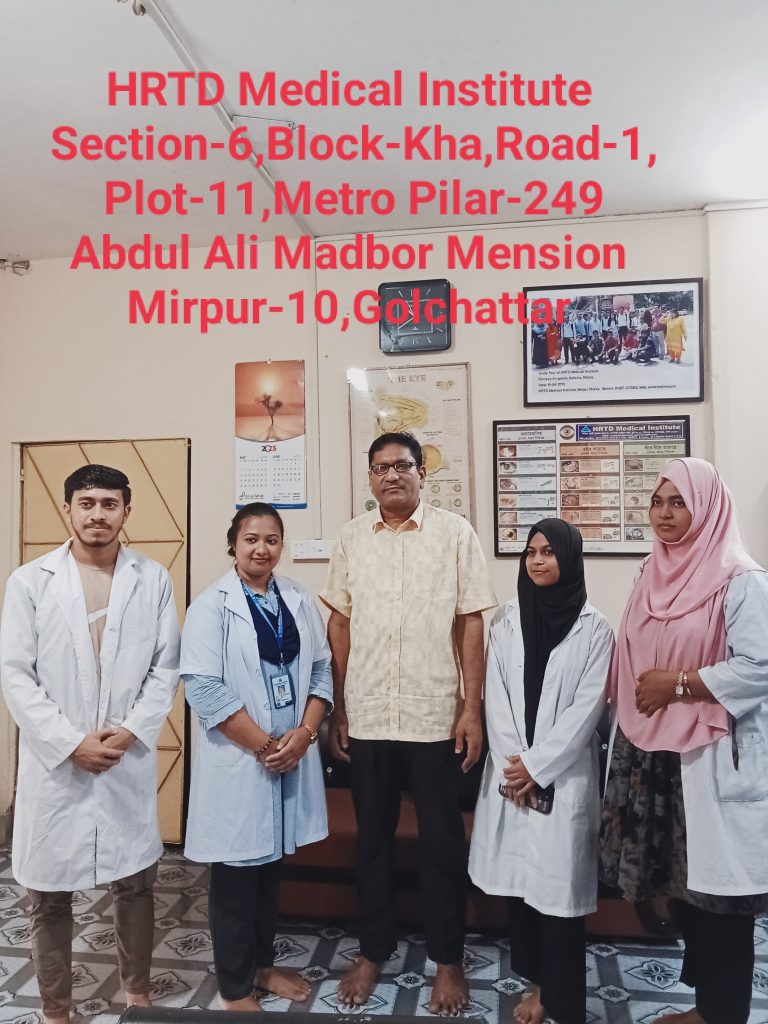
Course Fee for Post Diploma Training in Dermatology Course 6 Months
Course Fee for Post Diploma Training in Dermatology 6 Months at HRTD Medical Institute. Admission Fee=15,500/-,Monthly Fee 3000×6=18,000/-,Exam Fee=2000, Total Course Fee=35,500/-.This Course Contains 4 Subjects .Exam Mark 400.
Course Fee for Post Diploma Training in Dermatology Course 1 Year
Course Fee for Post Diploma Training in Dermatology Course 1 Year at HRTD Medical Institute. Admission Fee=20,500/-,Monthly Fee 3500×12=42,000/-,Exam Fee=4000×2=8000, Total Course Fee=70,500/-.This Course Contains 8 Subjects .Exam Mark 800.
Course Fee for Post Diploma Training in Dermatology Course 2 Years
Course Fee for Post Diploma Training in Dermatology Course 2 Years at HRTD Medical Institute. Admission Fee=30,500/-,Monthly Fee 3500 x 24=84,000/-,Exam Fee=4000×4=16,000, Total Course Fee=1,30,500/-.This Course Contains 16 Subjects .Exam Mark 1600.

Post Diploma Training in Dermatology at HRTD Medical Institute. Mirpur-10,Golchattar
Subjects for Post Diploma Training in Dermatology Course 6 Months.
This 6 Months Course contains 4 subjects. Mobile No: 01987073965.01797522136,HotLine-01969947171
- Skin Anatomy & Physiology
- Drugs used in Dermatology
- Tineasis & Candidiasis
- Common Skin Disorders
Subjects for Post Diploma Training in Dermatology Course 1 Years
This 1 Year Course contains 8 subjects. Mobile No: 01987073965.01797522136,HotLine-01969947171
1st Semester Subjects:
- Skin Anatomy & Physiology
- Drugs used in Dermatology
- Tineasis & Candidiasis
- Common Skin Disorders
2nd Semester Subjects:
- Cardiogenic Dermatology
- Neurogenic Dermatology
- Infectious Skin Disease
- Atopic Dermatitis
Subjects for Post Diploma Training in Dermatology Course 2 Years
This 2 Year Course contains 16 subjects. Mobile No: 01987073965.01797522136,HotLine-01969947171
1st Semester Subjects:
- Skin Anatomy & Physiology
- Drugs used in Dermatology
- Tineasis & Candidiasis
- Hematology & Pathology
2nd Semester Subjects:
- Cardiogenic Dermatology
- Neurogenic Dermatology
- Infectious Skin Disease
- Atopic Dermatitis
3rd Semester Subjects:
- Common Fungal Infection
- Common Skin Rashes
- Medical Diagnosis in Dermatology
- Neuro Anatomy & Physiology
4th Semester Subjects:
- Allergic Dermatitis
- Facial Dermatology
- Common Skin Disorders
- Bacterial Skin Infections
Hostel Facilities in HRTD Medical Institute
Hostel & Meal Facilities
The Institute has hostel facilities for the students. Students can take a bed in the hostel.
Hostel Fee Tk 3000/- Per Month
Meal Charges Tk 3000/- Per Month. ( Approximately )
হোস্টাল ও খাবার সুবিধা
ইনস্টিটিউটে শিক্ষার্থীদের জন্য হোস্টেল সুবিধা রয়েছে। ছাত্ররা হোস্টেলে বিছানা নিতে পারে।
হোস্টেল ফি 3000/- টাকা প্রতি মাসে,
খাবারের চার্জ 3000/- টাকা প্রতি মাসে।(প্রায়)
Some Subjects Details for Post Diploma Training in Dermatology Course Given Below
Skin Anatomy & Physiology for Post Diploma Training in Dermatology Course

The skin, as the body’s largest organ, forms the protective, outermost covering known as the integumentary system. It consists of three primary layers—the epidermis, dermis, and hypodermis—which together manage sensation, thermoregulation, and protection against environmental pathogens, UV light, and mechanical injury.
Skin Anatomy (Layers)
- Epidermis: The outermost layer, composed of stratified squamous epithelial tissue, provides a waterproof barrier. It is avascular and includes layers like the stratum corneum (protective dead cells) and stratum basale (cell production). Melanocytes in this layer produce pigment, while keratinocytes create keratin for structural strength.
- Dermis: Located below the epidermis, this thick inner layer contains connective tissue, hair follicles, sebaceous (oil) glands, sweat glands, blood vessels, and nerve endings. It provides elasticity and strength through collagen.
- Hypodermis (Subcutaneous Layer): Primarily composed of adipose and loose connective tissue, this layer anchors the skin to muscles and bones, provides insulation, and stores fat.
Skin Physiology (Functions)
- Protection: Acts as a barrier against pathogens, ultraviolet light, and physical harm.
- Thermoregulation: Controls body temperature through sweat glands and vasodilation/vasoconstriction of blood vessels.
- Sensation: Contains nerve receptors for detecting pain, temperature, and pressure.
- Metabolic Functions: Synthesizes Vitamin D upon exposure to UV light.
- Excretion: Releases water, salts, and other waste products through perspiration.
Drug used in Dermatology for Post Diploma Training in Dermatology Course
Dermatological drugs include topical steroids (hydrocortisone, clobetasol), acne treatments (isotretinoin, tretinoin), antimicrobials (mupirocin, benzoyl peroxide), antifungals (terbinafine, clotrimazole), and immunomodulators (methotrexate, biologics like infliximab) to treat infections, inflammation, and chronic conditions. These agents manage conditions ranging from acne and eczema to psoriasis and infections.
Key Drug Categories in Dermatology
- Topical Corticosteroids: Used for inflammation, eczema, and psoriasis, ranging from low-potency (hydrocortisone) to high-potency (clobetasol).
- Acne Agents: Retinoids (adapalene, tretinoin), benzoyl peroxide, and oral isotretinoin.
- Antibiotics & Antiseptics: Topical (mupirocin, fusidic acid, clindamycin) and oral (tetracyclines) for infections and acne.
- Antifungals: Agents like terbinafine and itraconazole for fungal infections (ringworm, athlete’s foot).
- Antivirals: Acyclovir and valaciclovir for herpes and shingles.
- Immunosuppressants & Biologics: Methotrexate, ciclosporin, and biologics (e.g., infliximab) for severe psoriasis, eczema, and alopecia areata.
- Other Agents: Sunscreens, emollients, potassium permanganate for weeping eczema, and coal tar for scaling conditions.
Commonly Prescribed Specific Drugs
- Clobetasol: A potent corticosteroid for severe skin inflammation.
- Isotretinoin: Oral medication for severe acne.
- Methotrexate: For severe psoriasis and autoimmune skin disease.
- Tacrolimus/Pimecrolimus: Nonsteroidal creams for eczema.
- Ruxolitinib: A newer cream (Opzelura) for atopic dermatitis.
- Adapalene: A topical retinoid for acne.
Taeniasis & Candidiasis for Post Diploma Training in Dermatology Course
Taeniasis and candidiasis are distinct infections caused by different types of pathogens (parasitic worms vs. fungus), although both can impact the gastrointestinal tract and are often linked to sanitation or health conditions.
Taeniasis
- Definition: An intestinal infection caused by the adult stage of tapeworms, specifically Taenia saginata (beef), Taenia solium (pork), or Taenia asiatica.
- Transmission: Ingesting raw or undercooked meat containing larval cysts (cysticerci).
- Symptoms: Usually mild or asymptomatic, but can include abdominal pain, nausea, weight loss, and passing worm segments.
- Treatment: Anthelmintic drugs, commonly praziquantel or niclosamide.
- Note: A related, more serious condition is cysticercosis, caused by ingesting T. solium eggs (not larvae), which causes larval cysts to develop in tissues like the brain.
Candidiasis
- Definition: A fungal infection caused by Candida yeast, commonly Candida albicans.
- Transmission/Causes: Overgrowth of the fungus, often triggered by antibiotics, weakened immune systems, or conditions like diabetes.
- Symptoms: Varies by location: Oral thrush (white patches), esophageal candidiasis (painful swallowing), and vulvovaginitis (itching/discharge).
- Treatment: Antifungal medication (e.g., fluconazole, topical agents).
While some research explores the prevalence of different infections in the same populations, there is no direct, standard clinical connection between the two as part of the same disease process.
Common Skin Disorders for Post Diploma Training in Dermatology Course


Common skin disorders include acne, eczema (atopic dermatitis), psoriasis, and infections like cellulitis, which often present with symptoms such as rashes, inflammation, itching, or pain. Acne is the most prevalent, affecting up to 90% of people, while chronic conditions like psoriasis involve immune-system-driven, silvery scales. Treatment varies, ranging from topical creams to oral medications and lifestyle adjustments.
Common Skin Conditions
- Acne: Affects millions globally, causing pimples, blackheads, and cysts due to clogged pores.
- Eczema (Atopic Dermatitis): Causes chronic, itchy, inflamed, and sometimes weeping skin patches.
- Psoriasis: A long-term autoimmune condition causing thick, red, scaly, and itchy plaques.
- Rosacea: Causes redness, visible blood vessels, and sometimes pus-filled bumps on the face.
- Contact Dermatitis: Skin irritation or allergic reaction to substances like soaps, chemicals, or metals.
- Infections: Includes bacterial (cellulitis), viral (cold sores, shingles, warts), and fungal (ringworm) infections.
- Skin Cancer: Such as basal cell carcinoma or melanoma, often linked to sun exposure.
- Other Common Issues: Hives, vitiligo (pigmentation loss), and seborrheic dermatitis (dandruff).
Key Factors & Management
- Causes: Triggers include infections, allergies, genetics, immune system issues, and environmental factors like sun or heat.
- Diagnosis: Requires evaluation by a healthcare provider, sometimes requiring skin biopsies or allergy testing.
- Prevention: Often involves using sunscreen, keeping skin clean and moisturized, and avoiding known allergens.
- Treatment: Ranging from OTC creams and improved hygiene to prescription antibiotics, antivirals, or immune-modulating therapies.
Hematology for Post Diploma Training in Dermatology Course
Hematology for dermatology courses, often integrated into Postgraduate Dermatology or Primary Care Emergency programs, focus on identifying skin manifestations of blood disorders. Key topics include diagnosing purpura, petechiae, anemia-related skin changes, leukemia cutis, coagulation disorders, and hematologic malignancies affecting the skin, essential for comprehensive dermatological care.
Key Areas of Study in Hematology-Dermatology
- Cutaneous Manifestations of Hematologic Disease: Recognition of specific skin lesions indicative of underlying blood disorders (e.g., leukemia cutis, lymphoma, mastocytosis).
- Vascular and Coagulation Disorders: Management of purpura, petechiae, and vasculitis.
- Anemia and Skin Pigmentation: Recognizing pallor, iron deficiency symptoms, and other pigmentary changes related to red blood cell disorders.
- Immune-Mediated Skin Conditions: Understanding how hematological conditions affect the skin’s immune response.
Course Structures
- Postgraduate Certificates: Specialized programs (e.g., TECH Global University) covering urgent dermatological and hematological pathologies for clinicians.
- Clinical Dermatology Programs: Comprehensive training often includes modules on systemic diseases with dermatologic manifestations.
- General Dermatology Courses: Professional certificates that cover the intersection of common systemic health issues, including blood disorders, with skin conditions.
These courses are designed for GPs, dermatologists, and medical professionals looking to enhance their diagnostic skills in managing complex patients with overlapping blood and skin pathologies.
Pathology for Post Diploma Training in Dermatology Course
Pathology for dermatology courses, often termed dermatopathology, focuses on interpreting skin biopsies, understanding histopathology, and linking clinical findings to microscopic features for diagnosing inflammatory and neoplastic skin conditions. These courses (e.g., from HealthCert Education, Oakstone CME, The Pathological Society) provide comprehensive, often case-based training on diagnosing skin cancers, benign lesions, and inflammatory dermatoses.
Key Topics in Dermatopathology Courses
- Basics of Skin Histology: Normal skin structure and pattern recognition of inflammatory diseases (e.g., interface dermatitis, spongiotic dermatitis, psoriasiform hyperplasia).
- Neoplastic and Inflammatory Diseases: Detailed study of basal cell carcinoma, squamous cell carcinoma, melanocytic lesions (nevi/melanoma), and alopecia.
- Diagnostic Techniques: Biopsy techniques, special stains, and the use of immunohistochemistry.
- Clinical-Pathological Correlation: Correlating histopathology reports with clinical findings to avoid diagnostic errors.
Cardiogenic Dermatology for Post Diploma Training in Dermatology Course
Cardiogenic dermatology” (often referred to as Cardiodermatology) is an interdisciplinary field focusing on the connection between skin diseases and cardiovascular conditions. It involves diagnosing heart conditions based on skin findings, managing skin side effects caused by heart medications, and recognizing that skin diseases (like psoriasis) can increase cardiovascular risk.
Here is a breakdown of key aspects:
1. Skin Signs of Heart Conditions
Skin changes can serve as early indicators of underlying heart issues:
- Cyanosis (Blue/Purple Skin): Suggests a lack of oxygen in the blood due to heart failure or congenital heart disease.
- Clubbing: Swollen fingertips and curved nails can indicate congenital heart disease or infections.
- Janeway Lesions & Osler Nodes: Painless red spots (Janeway) on palms/soles or painful, red-purple nodules (Osler) on fingers/toes are key signs of infective endocarditis.
- Xanthelasma/Xanthoma: Yellowish-orange, waxy, fatty deposits on eyelids or skin indicate high cholesterol levels, linking to atherosclerosis.
- Livedo Reticularis: A mottled, net-like red-blue pattern on the skin, often on legs, indicating cholesterol embolism or vascular disease.
- Stasis Dermatitis: Swelling and discoloration in lower legs indicating poor circulation.
2. Cardiovascular Risks of Skin Conditions
- Psoriasis: A chronic inflammatory condition linked to a higher risk of heart disease, stroke, and cardiovascular mortality.
- Hidradenitis Suppurativa & Others: Other inflammatory skin diseases, such as rosacea and alopecia areata, are also associated with increased cardiovascular risk.
- Systemic Lupus Erythematosus (SLE): A chronic inflammatory disease acting as a risk enhancer for atherosclerosis.
3. Cutaneous Side Effects of Heart Medication
- Amiodarone: Causes phototoxicity (skin sensitivity to light) in 25–75% of patients and can lead to a blue-grey skin discoloration.
- Thiazide Diuretics: Associated with photosensitivity and an increased risk of cutaneous squamous cell carcinoma.
- Blood Thinners (Warfarin): Rarely, can cause skin necrosis.
4. Genetic/Inherited Syndromes
Several inherited conditions affect both skin and heart, necessitating collaboration between specialists:
- Carney Complex: Characterized by lentigines (skin spots) and cardiac myxomas.
- Noonan Syndrome with Multiple Lentigines: Associated with structural cardiac abnormalities (e.g., hypertrophic cardiomyopathy).
- Pseudoxanthoma Elasticum: Yellowish papules on the neck/flexural areas with risk of premature cardiovascular disease.
Common Skin Rashes for Post Diploma Training in Dermatology Course
Common skin rashes include eczema, contact dermatitis, psoriasis, hives, and heat rash, often characterized by red, itchy, or irritated skin. They are triggered by allergies, infections (bacterial/viral), or, in children, conditions like chickenpox, fifth disease, or diaper rash. Treatment varies based on the cause, ranging from creams to antibiotics.
Common Types of Skin Rashes
- Eczema (Atopic Dermatitis): Chronic condition causing red, itchy, dry, or cracked skin.
- Contact Dermatitis: Irritation or allergic reaction to soaps, lotions, detergents, or plants like poison ivy.
- Hives (Urticaria): Raised, itchy welts, often caused by allergies.
- Psoriasis: Long-term, scaly, red patches, often on elbows, knees, or scalp.
- Heat Rash (Prickly Heat): Small, itchy bumps caused by trapped sweat.
- Ringworm: A contagious, red, ring-shaped fungal rash.
- Impetigo: A contagious bacterial infection causing blisters, common in children.
- Scabies: A, tiny red spot rash caused by mites.
- Shingles: Painful, blistered rashes caused by a virus.
Common Causes
- Allergic Reactions: Food, medication, or chemicals.
- Infections: Viral (chickenpox, fifth disease), bacterial (cellulitis), or fungal.
- Skin Irritants: Soaps, detergents, or clothing dyes.
- Environment: Heat, sweat, or bug bite.


